
Live Casino with Prepaid Card Deposit: A Player-Fit Review
Choosing a live casino with prepaid card deposit narrows the field fast, because you are trading a little setup friction for tighter control over what you load and when. That matters when the croupier is already calling the shoe and you have not sorted your banking first.
How prepaid card funding shapes the session

A prepaid card deposit removes the guesswork from your opening bankroll because the limit is fixed the moment you top it up, which suits anyone who wants a clear ceiling before the first hand is dealt. The trade-off is that reload speed depends on the card issuer and the operator’s payment stack, so you should treat it as a session-control tool rather than a speed play. In practice, the sensible operators keep the card path separate from their main wallet so a failed top-up never blocks your balance mid-hand. I have run payment funnels across twenty markets and spent more than a hundred million in acquisition budgets, and the operators that treat prepaid as a deliberate player-choice product keep churn lower because the player feels in control from minute one. That control shows up in a few concrete ways, and the table below summarises what to expect on a typical card-funded live floor.best buffalo online
| Feature | What you can expect |
|---|---|
| Card top-up | Fixed load amount, no surprise overdraw |
| Balance separation | Card wallet sits apart from main balance |
| Reload timing | Depends on issuer, not the live table |
| Session use | Best for capped play, not chasing |
| Mobile handling | Card entry works on a phone but is fiddly |
The card path is not a substitute for a proper bankroll plan, but it does make that plan easier to stick to when the shoe is hot and the table is moving. If you want a deeper look at how card-based play fits into a broader table strategy, the write-up on online casino card games walks through a practical approach that is worth reading before you commit to a card-funded session.
What the live floor looks like once the card is loaded
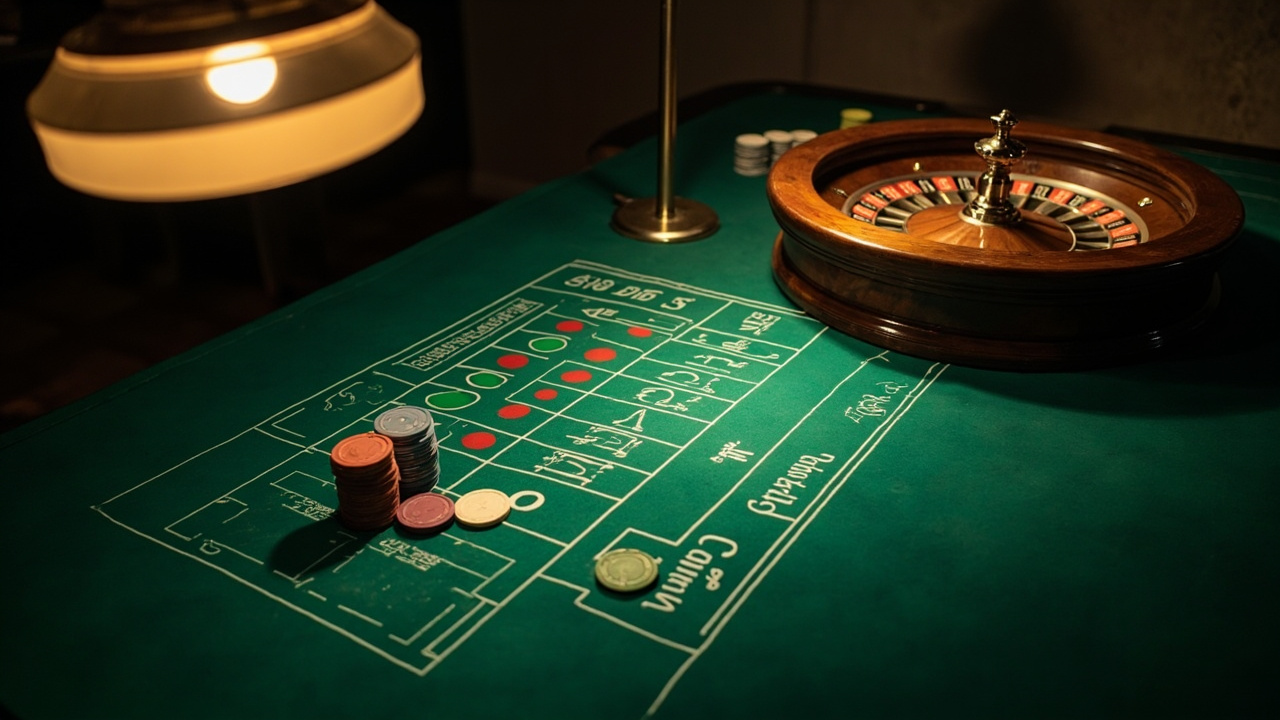
Once the card balance is sitting in your account, the live floor itself is where the experience earns its keep, because the pace, the providers, queen-of-the-nile-slots-au.com and the table etiquette all decide whether you stay or drift off after one shoe. A properly staffed live room keeps the croupiers spinning the wheel one way and rolling the ball the other, which sounds obvious until you watch a rushed table where the rhythm breaks and the whole feel goes flat. The better operators back that pace with a stable stream, clear chat moderation, and a table layout that does not make you hunt for the min and max bets while the ball is already moving. I have sat through enough product reviews to know that the difference between a live floor that holds attention and one that loses it is rarely the game list alone, it is whether the table behaviour is consistent enough that you can settle in without re-learning the room every ten minutes.
The games themselves should be narrow enough to feel curated rather than padded, with a handful of live blackjack and roulette tables that actually match the pace you want instead of a long list you never open. Providers matter here because the shoe shuffle, the cut-card behaviour, and the way the croupier handles the table all affect how the session reads, especially when you are playing with a prepaid card and want to pace yourself against a fixed load. A sensible live floor keeps the bet ranges sensible, the stream stable on a phone, and the chat useful without becoming a distraction, which is exactly the kind of room where a card-funded player can actually make the session last.
The Dunes was famously imploded in 1993 in a fiery spectacle, and the point for a live casino player is that spectacle does not equal substance, you want a room that runs quietly well rather than one that tries too hard to impress. That judgement call matters when you are funding with a prepaid card, because the whole point is to keep the session disciplined enough that the card limit actually does its job instead of getting swallowed by a table that feels more theatrical than playable.
Three player-fit scenarios for card-funded live play
The first scenario is the capped-session player, someone who wants a fixed spend for the arvo and a clear stop point before the first hand, which is the most natural fit for a prepaid card because the limit is built in from the top-up. This player benefits most when the operator keeps the card wallet separate and the live tables have sensible bet ranges, because then the card does what it is supposed to do without needing constant manual checks.
The second scenario is the repeat-play player who comes back for the recurring promos, cashback, and loyalty perks rather than the welcome offer, and here the card path matters because a disciplined reload habit pairs better with a floor that rewards return visits than one that only shouts about the first deposit. If you want to find the best buffalo online on a site that treats repeat players as more than a first-deposit footnote, the card path and the loyalty loop need to work together rather than sitting in separate corners of the account.Online Casino Card Games: A Practical
The third scenario is the mobile-first player who wants to load a card, join a table, and keep the whole thing on a phone without the entry becoming a chore, which is a real fit only when the card input and the live stream both hold up on a small screen. This player is the one most likely to drift off if the card top-up is fiddly or the table layout is built for a desktop first, so the operator’s mobile handling is the difference between a session that stays and one that gets abandoned halfway through.
Two mates at a pub in Sydney, one nursing a flat white and the other halfway through a backyard barbie in the next suburb, reckon the card-funded live room only really works when the table pace is steady and the reload is not a hassle. One of them says he would rather have a smaller card limit and a room that holds attention than a big load and a floor that loses him after ten minutes, and the other nods because he has seen enough busy-as nights to know that discipline beats spectacle every time.
For anyone comparing card-funded live tables against a broader payments menu, it helps to keep the card path in its own lane rather than treating it like a generic deposit option, because that is what makes the session-control angle actually usable. If you want to see how card-based table play compares on a real operator floor, the guide on online casino kaartspellen breaks down a practical way to think about it before you load up.
The card-funded live session works best when the limit, the table pace, and the reload habit all line up, because then the prepaid card is doing its job instead of just sitting there as a payment option. Pick the floor that keeps the card wallet separate, the live tables steady, and the repeat-play reasons real, and you have a setup that actually holds together beyond the first deposit.
Leave a Reply